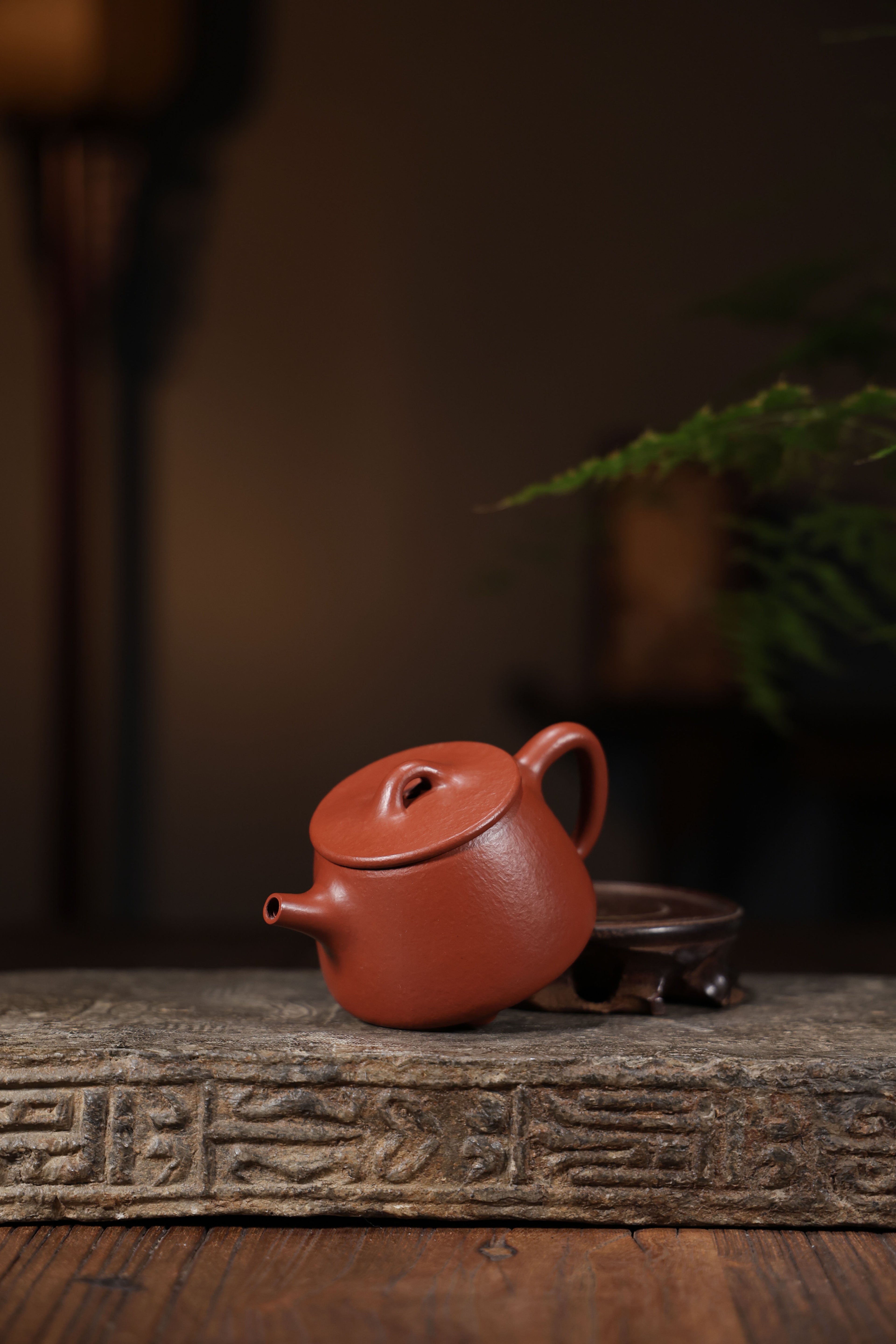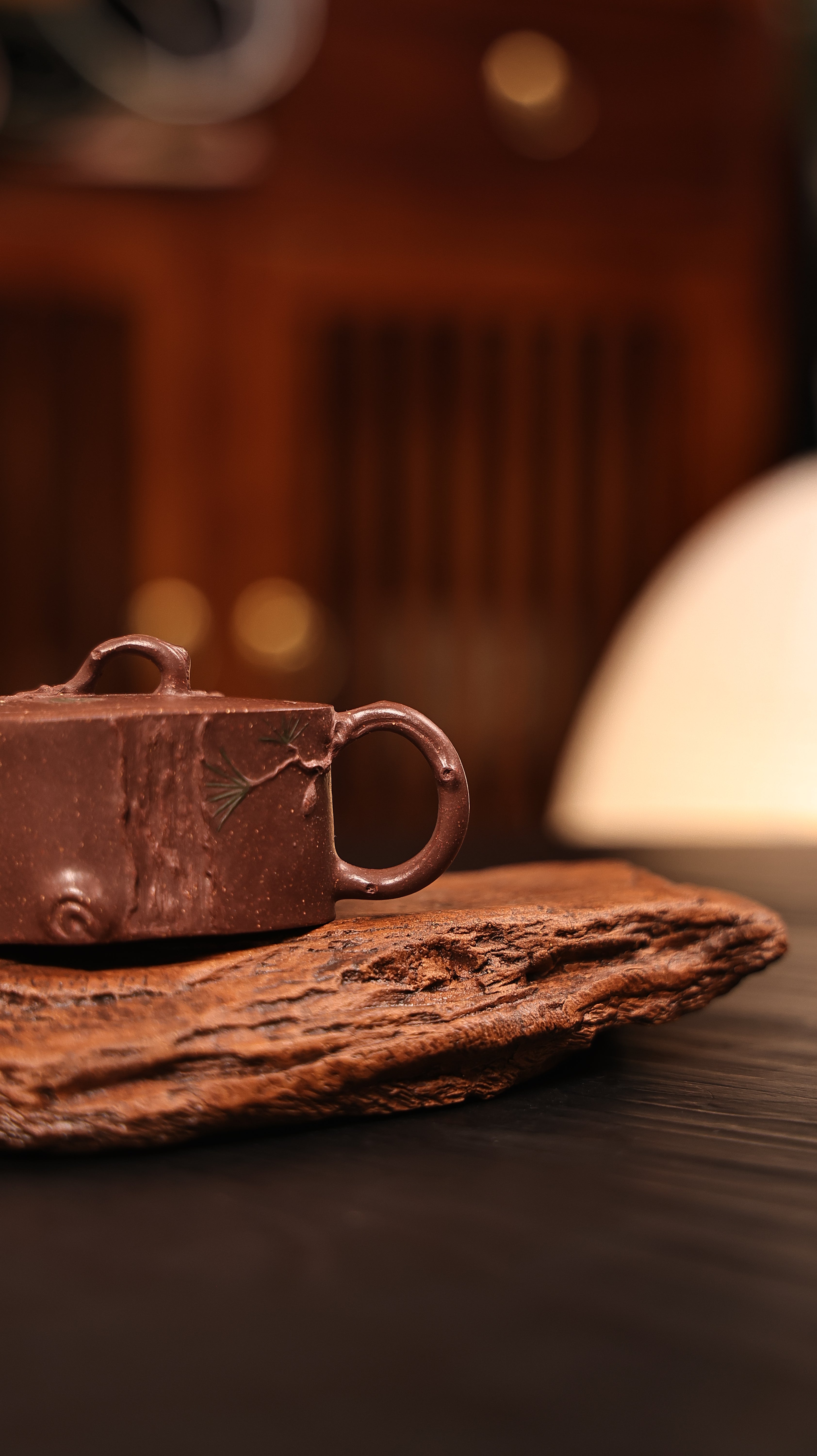
Times of connoisseurs have sought the singular beauty of Yixing Zisha earthenware. Coming in the modest town of Yixing, the territory, these urns are produced from a rare and sourced purple clay recognized for its superior thermal characteristics and potency to amplify the note of extracts. Outside of their serviceable asset, Zisha teapots exemplify a solid traditional background, turning them exceptionally collectible and a true gem for any dedicated teapot connoisseur.
Surveying Yixing Kettles
Historical teapots showcase a distinctive blend of history and seasoned craftsmanship. Founded in Yixing, Jiangsu Territory of China, their narrative stretches the Ming Dynasty, although proof suggest earlier forms. The rare plum clay, called Zisha, found uniquely in the Yixing region, is the key component, contributing to the pots' impressive heat conservation and the manner they alter the flavor of tea. Sequences of potters have improved techniques—often handed over through families—including modeling the clay, applying exquisite embellishments, and firing the pots at controlled temperatures.- Traditionally, Yixing teapots were often trimmed with simple designs.
- Down the line, more intricate carvings and graphic motifs became accepted.
- The firing process itself is a key element, requiring lengthy phases of skill.
Acquiring Zisha Teapots: Necessary Factors
Undertaking a quest to obtain Zisha jars can be pleasurable, but it’s fundamental to know what to seek. Authenticity is principal; focus on the substance’s natural hue, a soft reddish-brown is traditional. Examine the feel; genuine Zisha has a notable tactile sensation, often expressed as slightly uneven. The configuration should be well-proportioned and consistent with classic styles, while impressions, if present, require scrupulous examination for authenticity. Don’t hold back to consult with professional consultants or established contacts – their guidance is critical.
The Earthenware: Understanding the History of Yixing Purple Clay
Epochs have seen Yixing Yixing Clay teapots sustain a exceptional role in Chinese culture. These finely fashioned pots, sourced distinctively from the province of Chinese Teapot Yixing, are prominent for their distinctive color, consistency, and their ability to refine the essence of tea. Many collectors desire antique Yixing teapots, regarding them considerably not only for their aesthetic elegance, but also for the story they reflect.
Yixing Zisha Teapots: Exceptional Ultimate Selections and Their Properties
Zisha Ware teapots, rooted in the genuine zone of Yixing, the realm, are esteemed for their exceptional clay and excellent brewing functions. Within the many Zisha types, certain sorts that are highly coveted include Mingzhong. Binzhou, known for its profound purple shade and even texture, delivers a gentle flavor. This Duan Ni variety, recognizable by its orangish color and fairly grainy feel, is assumed to enhance the weight. Lastly, Zhuni Zisha boasts an exceptional vermilion tone and can provide a pleasant nuance. Each breed yields a special experience, rendering them considerably desirable between infusion enthusiasts.
Brewing Perfection Your Pottery Pot
To unleash the virtue of your Yixing pot, grasping the correct modus operandi is indispensable. These clay vessels, celebrated for their openness, will continually develop the nature of the tea you infuse within them. Begin by cleaning the urn thoroughly with heated water. Then, use only high-quality fresh leaf tea, as lower quality options can harm the object’s delicate essence. Always allow the leaves to bloom completely, and remember that with each session, your Yixing urn will become ever appreciated.
Preserving Your Valuable Zisha Item
Proper care for your Zisha container is essential to safeguarding its beauty and merit. Zisha clay, celebrated for its unique hue and consistency, requires specific handling. Never use stringent solutions, as these can ruin the finish. After every utilization, rinse the vessel with gentle warm water and allow it to ventilate completely.
- Decline soaking the teapot for extended intervals.
- Occasionally use a soft fabric to maintain the exterior.
- Think about applying a thin layer of food-grade grease inside the jar after drying, which can reduce staining.
A Beginner's Guide to Yixing Containers
Yixing kettles, originating from the Yixing area in Jiangsu Province, the Chinese territory, are celebrated for their distinctive qualities. Produced from the unique purple material known as Zisha, these urns are prized by beverage enthusiasts worldwide. This manual will clearly explain the nuts and bolts – covering varieties of Zisha material, typical shapes, and key care advice. Understanding the origin of Yixing earthenware can boost your appreciation for this celebrated example of Chinese artistry.
Mastery of Han Pitchers: Presenting Zisha from the Yixing region
Zisha earth from the Yixing district represents the apex of Eastern jar design, demonstrating a unique combination of earthy beauty and useful artistry. These outstanding pieces are celebrated for their profound tones, often stretching over bold purples and mahogany hues to pale greys and faint beiges. The noted mineral composition of the exclusive-to-the-area Zisha substrate imparts a unique texture and delivers a welcoming aroma that heightens the aggregate potion experience, resulting in them strongly coveted collectibles and fundamental components of any serious infusion.